
Case studies

Anonymous case studies for product strategy, product design, and app development consulting.

These case studies show how Innovation Blend approaches launch resets, UX cleanup, MVP planning, and delivery-path issues when the goal is better product momentum rather than more process theater.

Last updated March 28, 2026

Client names are withheld, but the operating pattern stays concrete: identify the bottleneck, tighten the system, and make the next release easier to defend.

Visual snapshot

What types of work show up most often?

The recurring themes are scope drift, weak UX hierarchy, and late-stage delivery friction. Those are the issues these examples are built to make visible.

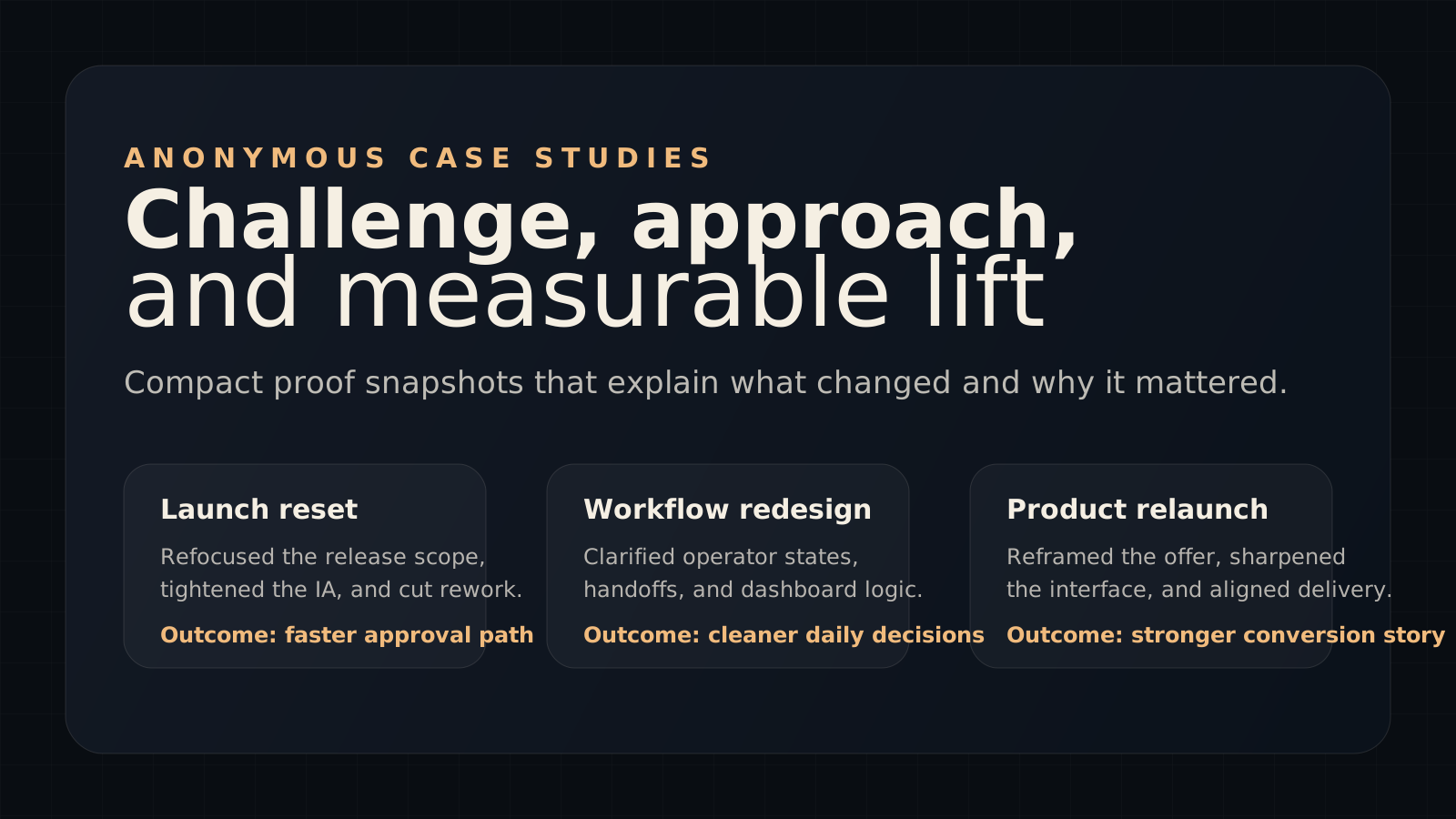
A case study snapshot grid showing launch reset, dashboard redesign, and MVP planning themes.
A quick read on the types of product pressure that usually turn into consulting engagements.
Featured examples

Three patterns that explain the work.

Launch reset for a B2B workflow product

The product had an ambitious roadmap, but the first release was trying to prove too many things at once. Strategy work narrowed the MVP, design work clarified the onboarding path, and delivery guidance reduced late-stage change churn.

Relevant paths: product strategy consulting, MVP planning, and app development consulting.

Product repositioning before a relaunch

A team had a working product but an unclear commercial angle. The work reframed the buyer promise, reduced feature noise, and aligned the public story with what the interface could actually support.

Relevant paths: product strategy consulting, partner selection, and the contact page.

What changed

What do these case studies have in common?

The common theme is not a particular industry. It is that the product started moving more cleanly once the team stopped treating strategy, UX, and delivery as separate problems.

Less scope sprawl

Critical release decisions got made earlier, which reduced waste and improved launch confidence.

Clearer user paths

Interfaces became easier to scan because hierarchy and workflow states were simplified.

Stronger handoff quality

Design intent became easier to implement because the component and content logic were tighter.

Better decision documents

Teams left with a usable rationale for what to build next rather than vague postmortem lessons.

FAQ

Questions buyers usually ask.

Can anonymous case studies still be useful?

Yes. They are useful when they explain the problem pattern, the intervention, and the change in team clarity without turning client confidentiality into empty vagueness.

Do the case studies cover both strategy and implementation?

Yes. The strongest results usually come from connecting product strategy, UX structure, and delivery realism.

How should I use this page?

Find the problem pattern closest to your own, then continue into the matching service page or buyer guide before opening a conversation.

Next move

If one of these patterns looks familiar, the next step is to identify whether the bottleneck is strategy, UX, or delivery.

Use the services page to choose a path, then move into the guide or case example that feels closest to the work.